
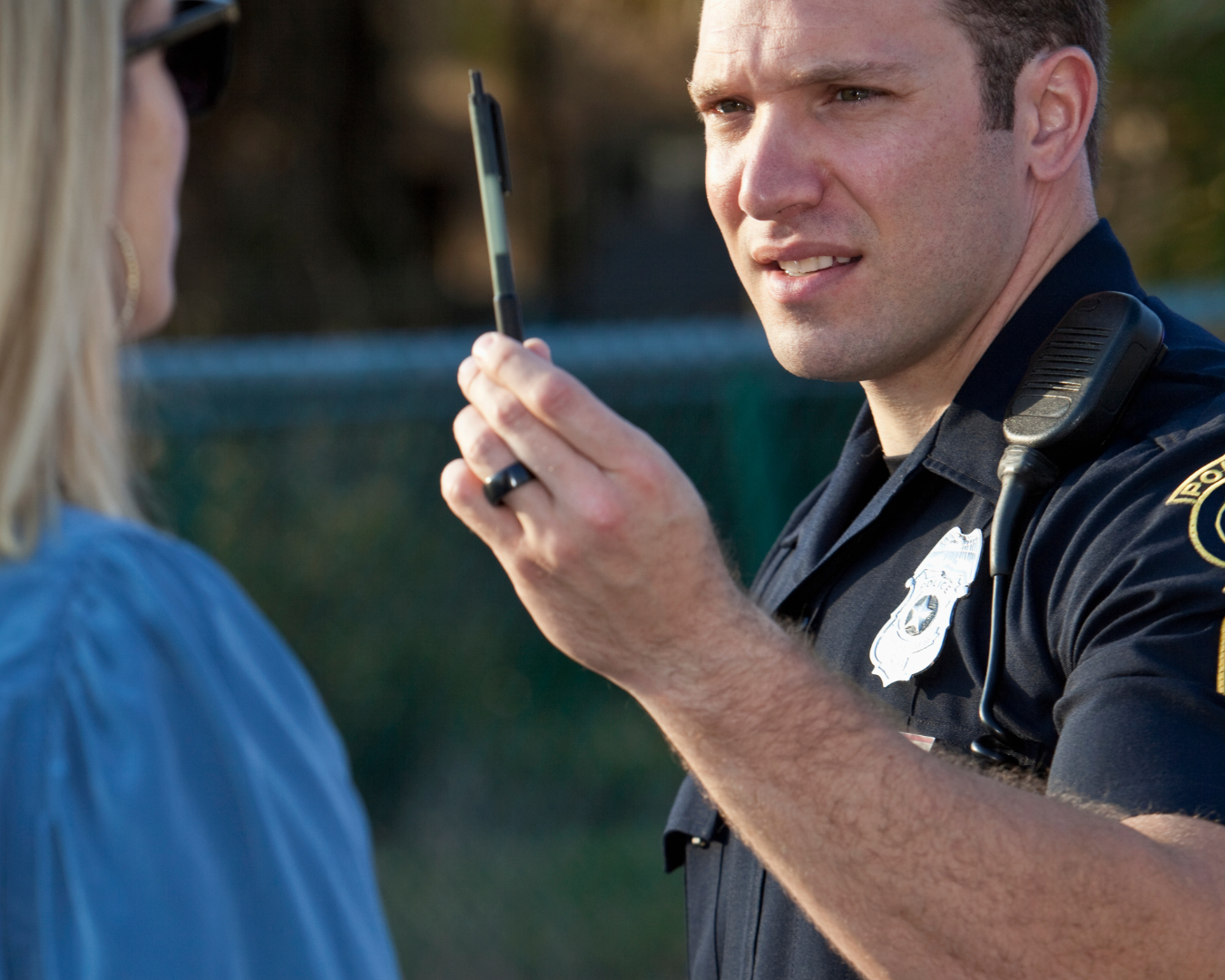
Sobriety tests are a critical tool used by law enforcement during DUI investigations, but how reliable are they? At Austin McDaniel Law Firm in Anderson, SC, we frequently encounter cases where the accuracy and fairness of these tests are called into question. Understanding the science behind sobriety tests—and their potential flaws—is essential for anyone facing DUI charges.
Types of Sobriety Tests
Sobriety tests fall into two categories: field sobriety tests (FSTs) and chemical tests. Each has its own methodology and challenges:
- Standardized Field Sobriety Tests (SFSTs): These physical and cognitive tasks aim to assess impairment through coordination, balance, and one’s ability to follow instructions. The three SFSTs include the Horizontal Gaze Nystagmus (HGN), Walk-and-Turn, and One-Leg Stand.
- Chemical Tests: Blood, breath, and urine tests measure blood alcohol concentration (BAC). Breathalyzers are the most commonly used devices.
Are Standardized Field Sobriety Tests Reliable?
While SFSTs are widely used, their reliability is often debated. According to tests sponsored by the National Highway Traffic Safety Administration (NHTSA), the Horizontal Gaze Nystagmus (HGN) test is the most reliable field sobriety test, with an accuracy rate of 77%. It is followed by the walk-and-turn test at 68% and the one-leg-stand test at 65%. However, even with these numbers, it’s important to note that these tests are not foolproof.
Despite being the most reliable, the HGN test still has a 23% error margin, while the walk-and-turn and one-leg-stand tests have error margins of 32% and 35%, respectively. Factors such as environmental conditions, medical issues, fatigue, or even the officer’s interpretation can all influence the results, making these tests far from 100% accurate.
The Breathalyzer Debate
Breathalyzers, though scientific, are not foolproof. Their reliability can be affected by:
- Improper Calibration: Devices must be regularly calibrated to ensure accurate readings.
- Residual Alcohol: Mouthwash or breath sprays containing alcohol can produce false positives.
- Health Conditions: Conditions like acid reflux or diabetes can skew results.
Legal Challenges to Sobriety Tests
At Austin McDaniel Law Firm, we analyze every detail of sobriety tests to identify potential defenses, such as:
- Improper Administration: Officers must follow strict procedures during FSTs and breathalyzer tests.
- Unreliable Equipment: If a breathalyzer is poorly maintained or improperly calibrated, its results can be challenged.
- Alternative Explanations: Medical conditions or other factors may explain behaviors mistaken for impairment.
Protecting Your Rights in DUI Cases
If you’re facing DUI charges in Anderson, SC, it’s critical to have an experienced legal advocate by your side. At Austin McDaniel Law Firm, we understand the science—and the shortcomings—of sobriety tests. Our team will work diligently to ensure that your rights are protected and that any flawed evidence is contested.
Facing a DUI charge? Contact us today to schedule a consultation and build a strong defense.