
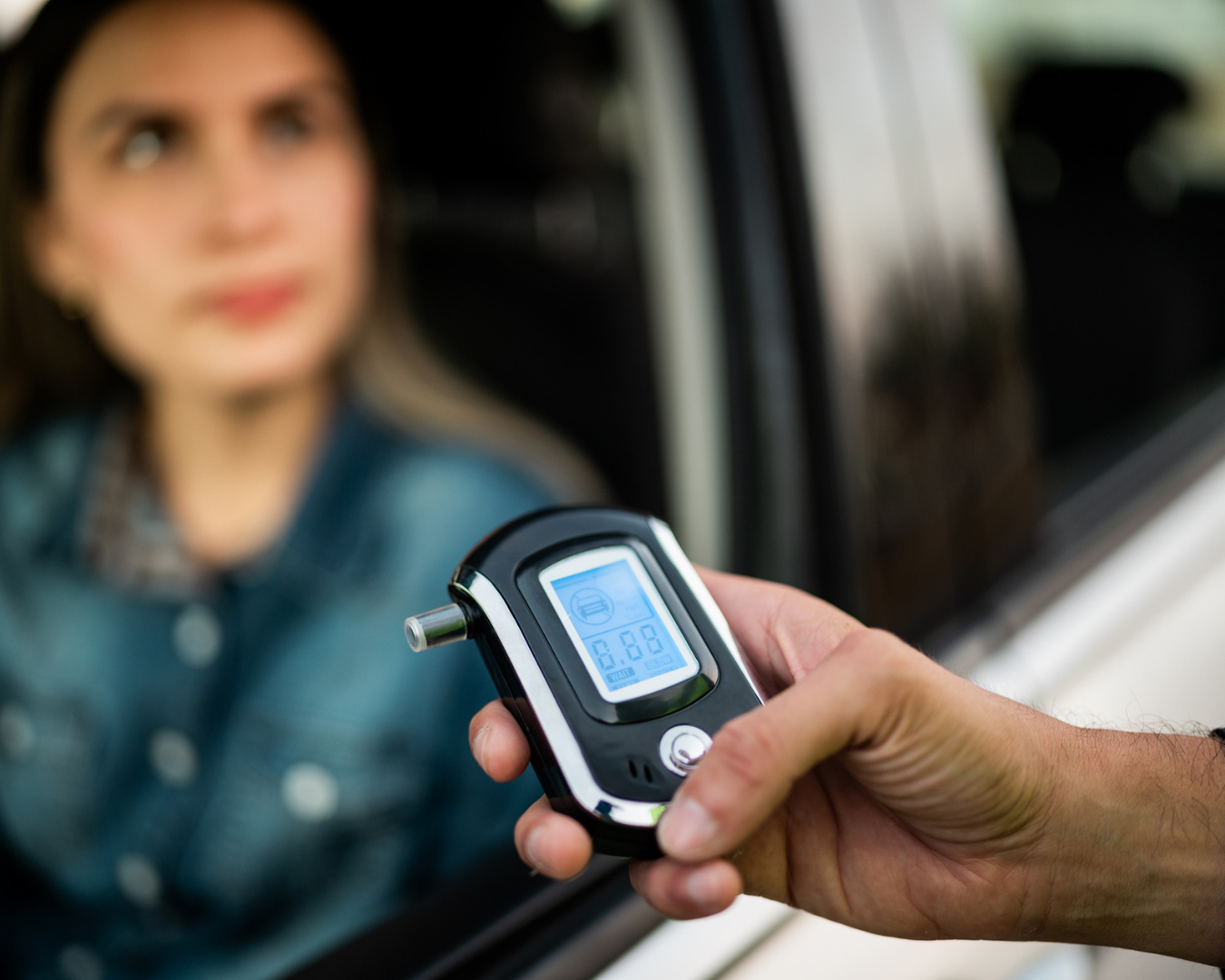
When someone is charged with a DUI, alcohol or drug testing is often central to the case. Certain medical conditions can influence blood alcohol concentration (BAC) readings, breathalyzer results, or even field sobriety tests. Understanding these factors can help you make sense of the evidence in a DUI case in South Carolina.
Medical issues can influence test outcomes, and while they do not automatically dismiss charges, they may impact how evidence is interpreted.
How Diabetes and Metabolic Conditions Can Affect DUI Testing
Diabetes, particularly when it involves high ketone levels or low blood sugar, can mimic signs of intoxication, such as slurred speech, unsteady balance, or confusion.
Research shows that elevated acetone levels in diabetics can sometimes interfere with breathalyzer readings. A 2006 case report found that a ketogenic diet produced false-positive breath-alcohol readings due to acetone converting to isopropanol. Another case report in 2020 noted a person in diabetic ketoacidosis registering a positive breathalyzer result without consuming alcohol.
Important to consider: Medical documentation and records can help provide context for unexpected or unusual test results.
Gastrointestinal and Digestive Conditions
Certain gastrointestinal conditions, including GERD (acid reflux) or other digestive issues, may contribute to variations in breath-alcohol readings. Alcohol from the stomach can sometimes rise into the mouth, creating mouth alcohol contamination that affects the measurement.
Consideration: Awareness of these conditions can provide context for interpreting test results and help explain anomalies in some cases.
Neurological or Balance Disorders
Medical conditions affecting coordination or balance, such as Parkinson’s disease, multiple sclerosis, or vertigo, can influence field sobriety tests. Unsteady walking, poor hand-eye coordination, or delayed reaction times may be misinterpreted as impairment.
Documentation of neurological conditions can provide important context if observed behaviors are questioned during legal proceedings.
Medications and Their Effects
Certain prescription medications, and even some over-the-counter drugs, can produce symptoms similar to intoxication. This includes drowsiness, slowed reaction times, or changes in motor skills.
Important to note: Keeping an accurate record of medications and dosages can help ensure all relevant medical factors are considered when evaluating DUI evidence.
The Role of Legal Guidance
Medical conditions can complicate DUI cases. Experienced attorneys can:
- Review medical records and test results
- Identify factors that may influence breathalyzer or field sobriety tests
- Ensure evidence is evaluated in the context of medical conditions
- Develop defense strategies that consider relevant medical information
Austin McDaniel Law in Anderson, SC, provides DUI defense for clients whose medical conditions may influence evidence, helping ensure their rights are protected throughout the legal process.
Protect Your DUI Case by Understanding Medical Factors
Medical conditions can directly impact DUI evidence, including BAC readings and field sobriety evaluations. Awareness and careful documentation of these factors may provide context during legal proceedings. Consulting experienced DUI attorneys ensures that all relevant information is considered and your rights are safeguarded.
DUI Defense in Anderson, SC and Surrounding Areas
If you are facing DUI charges in Anderson, SC, or nearby areas, contact Austin McDaniel Law for a free consultation at 864-540-8135 or schedule online.
Representation is available throughout Anderson, Abbeville, Clemson, Greenwood, Oconee, and Laurens, SC.