
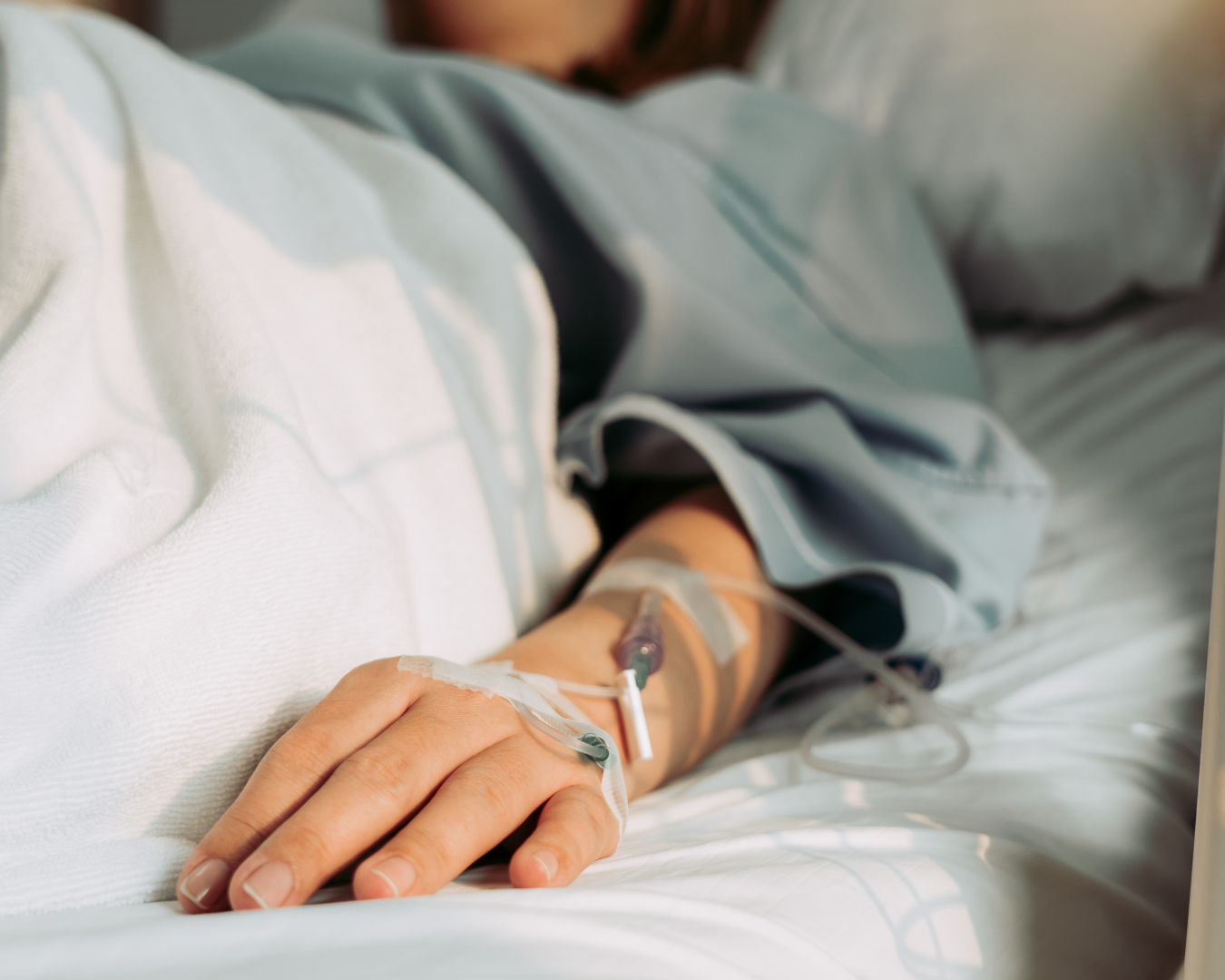
After a serious car accident, most people are focused on injuries, medical treatment, and getting home safely, not criminal charges. But for some drivers, another concern comes later:
Can police get your BAC results from the hospital after a crash, even without your consent?
In South Carolina, the answer can depend on several factors, including how the blood was collected, whether law enforcement was involved in the investigation, and whether police obtained legal authorization to access medical records.
These situations can quickly become complicated, especially in crashes involving injuries, suspected DUI, or hospital blood testing.
Hospitals and Police Have Different Roles After a Crash
One important thing to understand is that hospitals and law enforcement do not serve the same purpose after an accident.
Hospitals are focused on:
- medical treatment,
- diagnosing injuries,
- and protecting patient health.
Police officers are focused on:
- investigating the crash,
- determining whether criminal charges may apply,
- and collecting evidence if they suspect a crime occurred.
That distinction matters because medical blood testing and criminal DUI investigations are not always handled the same way.
Do Hospitals Automatically Give BAC Results to Police?
Not automatically.
In many situations, hospital records and blood test results are protected medical information. A hospital does not simply hand over private records every time alcohol appears in a patient’s system after a crash.
However, that does not mean police can never obtain the information.
Depending on the circumstances, law enforcement may attempt to access BAC results through:
- a search warrant,
- a subpoena,
- patient consent,
- or other legal procedures connected to a DUI investigation.
Medical Blood Tests and DUI Blood Tests Are Not Always the Same
This is where many people get confused.
A hospital may draw blood for medical reasons after a crash, such as:
- checking for injuries,
- monitoring treatment,
- or evaluating a patient’s condition.
That is different from a blood draw requested directly by law enforcement for DUI evidence.
In some cases, police may later try to obtain hospital test results as part of a criminal investigation. Whether those records are admissible and how they were obtained can become important legal issues in a DUI case.
South Carolina’s Implied Consent Law Can Affect DUI Investigations
South Carolina has an implied consent law under South Carolina Code §56-5-2950.
Under this law, drivers arrested for DUI in South Carolina may be asked to submit to chemical testing, including breath, blood, or urine testing under certain circumstances.
But hospital blood testing after a crash can raise separate legal questions, especially when:
- no DUI arrest happened at the scene,
- the driver was transported for emergency treatment,
- or police later seek access to medical records.
The U.S. Supreme Court Has Limited Warrantless Blood Draws
The United States Supreme Court has ruled that blood testing is considered a significant search under the Fourth Amendment.
In Missouri v. McNeely, the Court held that the natural dissipation of alcohol in the bloodstream does not automatically allow police to bypass warrant requirements in every DUI investigation.
Later, in Birchfield v. North Dakota, the Court further addressed the constitutional limits on blood testing in DUI cases.
These rulings helped shape how police and prosecutors handle blood evidence after serious crashes.
Can You Still Be Charged With DUI After Going to the Hospital?
Potentially, yes.
In some crash investigations, officers may continue gathering evidence after the accident scene, especially if:
- injuries were involved,
- alcohol was suspected,
- witnesses reported impairment,
- or hospital testing revealed a high BAC level.
That means a person may still face DUI-related charges after leaving the hospital, even if they were not arrested immediately at the scene.
Crash-Related DUI Investigations Can Become Complicated Quickly
Hospital blood testing, medical records, warrants, and crash investigations can create complicated legal issues very quickly.
Cases involving:
- serious accidents,
- hospital treatment,
- delayed DUI investigations,
- or blood evidence
often require careful review of:
- how evidence was obtained,
- whether constitutional procedures were followed,
- and whether medical testing was properly used in the investigation.
DUI and Criminal Defense in Anderson and Upstate South Carolina
A crash investigation can become much more serious when alcohol-related allegations are involved. If police are attempting to use hospital blood test results or BAC evidence after an accident, understanding your rights and the legal process is important.
Austin McDaniel Law represents clients across Anderson, Greenwood, Clemson, McCormick, Oconee, and surrounding Upstate South Carolina communities in cases involving:
- DUI charges,
- felony DUI,
- crash-related investigations,
- traffic offenses,
- and other criminal matters.
If you are facing a DUI investigation after a crash or hospital visit, contact Austin McDaniel Law to discuss your case and your options.