
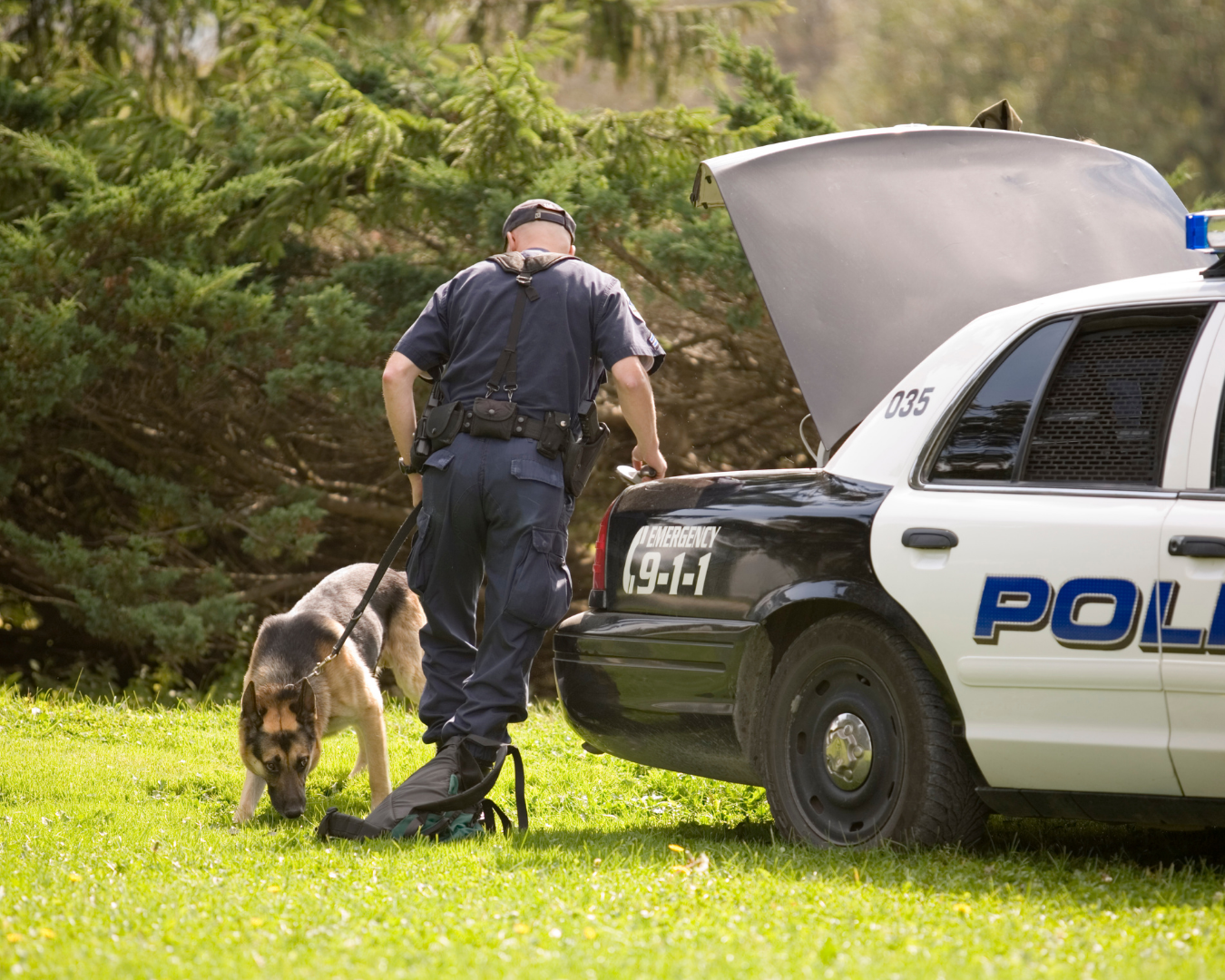
A traffic stop can become much more serious if an officer asks to search your vehicle. But what happens when the item in question is not sitting out in the open?
Many drivers wonder whether police can legally search a locked container during a traffic stop. Whether it is a locked backpack, cooler, briefcase, safe, or storage box, the answer depends on the circumstances of the stop and the legal justification for the search.
Understanding when police can and cannot search a locked container can help you better understand your rights under South Carolina law.
A Traffic Stop Does Not Automatically Allow a Search
Being pulled over does not automatically give police the right to search your vehicle or the containers inside it.
The Fourth Amendment to the United States Constitution protects individuals from unreasonable searches and seizures. In most situations, law enforcement must have a legal basis to conduct a search.
That means the legality of a search often depends on factors such as:
- Consent
- Probable cause
- A lawful arrest
- Other recognized exceptions to the warrant requirement
The details matter, and the same traffic stop can lead to very different legal outcomes depending on the circumstances.
Consent Can Expand the Scope of a Search
One of the most common ways vehicle searches occur is through consent. If a driver gives permission to search a vehicle, questions may later arise about how broad that consent was and whether it extended to containers located inside the vehicle.
Courts often look at the specific facts of the encounter, including what was said between the officer and the driver and whether any limits were placed on the search.
Because every situation is different, the scope of consent can become an important issue in criminal cases involving evidence discovered during a traffic stop.
Probable Cause May Allow Police to Search Containers
In some situations, police may search a vehicle without a warrant if they have probable cause to believe evidence of a crime is located inside.
The United States Supreme Court has held that when probable cause exists to search a vehicle, officers may also search containers within the vehicle that could reasonably contain the object of the search. This principle was established in United States v. Ross, 456 U.S. 798 (1982).
For example, if officers have probable cause to believe drugs are located inside a vehicle, that may affect their ability to search containers that could potentially hold those items.
Locked Containers Are Not Always Treated Differently
Many people assume a locked container automatically receives greater legal protection than an unlocked one.
While the fact that a container is locked may be relevant in some situations, it does not automatically prevent a search if officers otherwise have lawful authority to search the vehicle and the container could reasonably hold the evidence they are seeking.
That is why the legality of the search often depends less on whether the container was locked and more on why the search occurred in the first place.
Passengers May Have Additional Considerations
Questions can also arise when a locked container belongs to a passenger rather than the driver.
Ownership, possession, and the circumstances of the traffic stop can all become important factors when determining whether a search was lawful and whether evidence can be linked to a particular individual.
Cases involving multiple occupants often involve more complex legal issues than many people realize.
Not Every Search Is Lawful
Just because evidence is discovered does not automatically mean the search was legal.
In some cases, courts may examine:
- Whether the traffic stop itself was lawful
- Whether probable cause actually existed
- Whether consent was valid
- Whether the search exceeded its lawful scope
- Whether constitutional protections were violated
These issues frequently arise in cases involving:
- Drug charges
- Firearm offenses
- Trafficking allegations
- Possession charges
- Other criminal offenses stemming from traffic stops
Criminal Defense for Traffic Stop Cases in Upstate South Carolina
Many criminal cases begin with a routine traffic stop. When evidence is discovered inside a vehicle, questions about the legality of the search can become a critical part of the defense.
Austin McDaniel Law represents clients facing drug charges, firearm offenses, DUI charges, traffic-related criminal matters, and other offenses throughout Anderson, Greenwood, Clemson, Oconee, McCormick, and Upstate South Carolina.
Contact Austin McDaniel Law today to discuss your case and learn about your legal options.